
Updates
Features, Success Stories
From a Passion for Computers into a Plan for the Future: Nicholas’ IT Journey
May 1, 2026
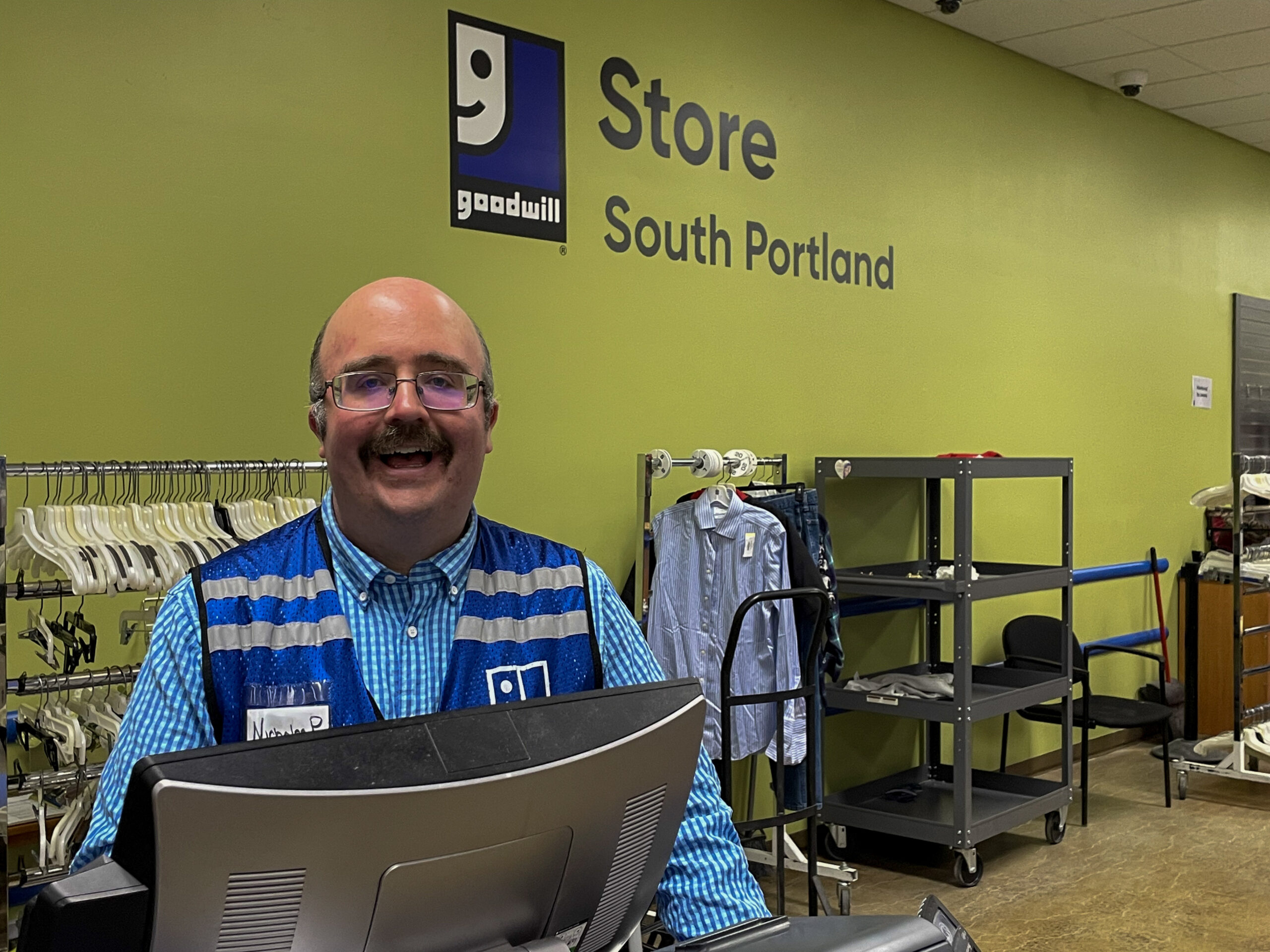
At the Goodwill Northern New England’s Maine Mall location, Sales Associate Nicholas Palmer has spent the last two years building skills, confidence, and a clear vision for his future. Now, with support from Goodwill’s Employee Life Navigation and Workforce Solutions teams, Nicholas is taking meaningful steps toward a new career in information technology. “I love to learn, and I love…
News, Uncategorized
Goodwill Week: Celebrating the Good
May 1, 2026
Every year during the first full week of May, Goodwill organizations across the U.S. and Canada celebrate Goodwill Week. For Goodwill Northern New England, it’s a moment to recognize what over 90 years of community investment makes possible: real opportunity, real change, because donors, shoppers, partners, and neighbors across Maine, New Hampshire, and northern Vermont showed up. A Local Mission…
News
A Goal Met and a Path Forward: Introducing our 2025 Annual Report
April 20, 2026
Guided by purpose and powered by community, 2025 was a year of meaningful progress that opened new possibilities across Goodwill Northern New England. We are proud to share our 2025 Annual Report, which captures the full scope of our impact this year and the communities we serve. Together with our staff, partners, donors, and supporters, we helped more than 10,000…
Features, Success Stories
From Obstacles to Opportunity: Sam’s Second Chance Story
April 6, 2026
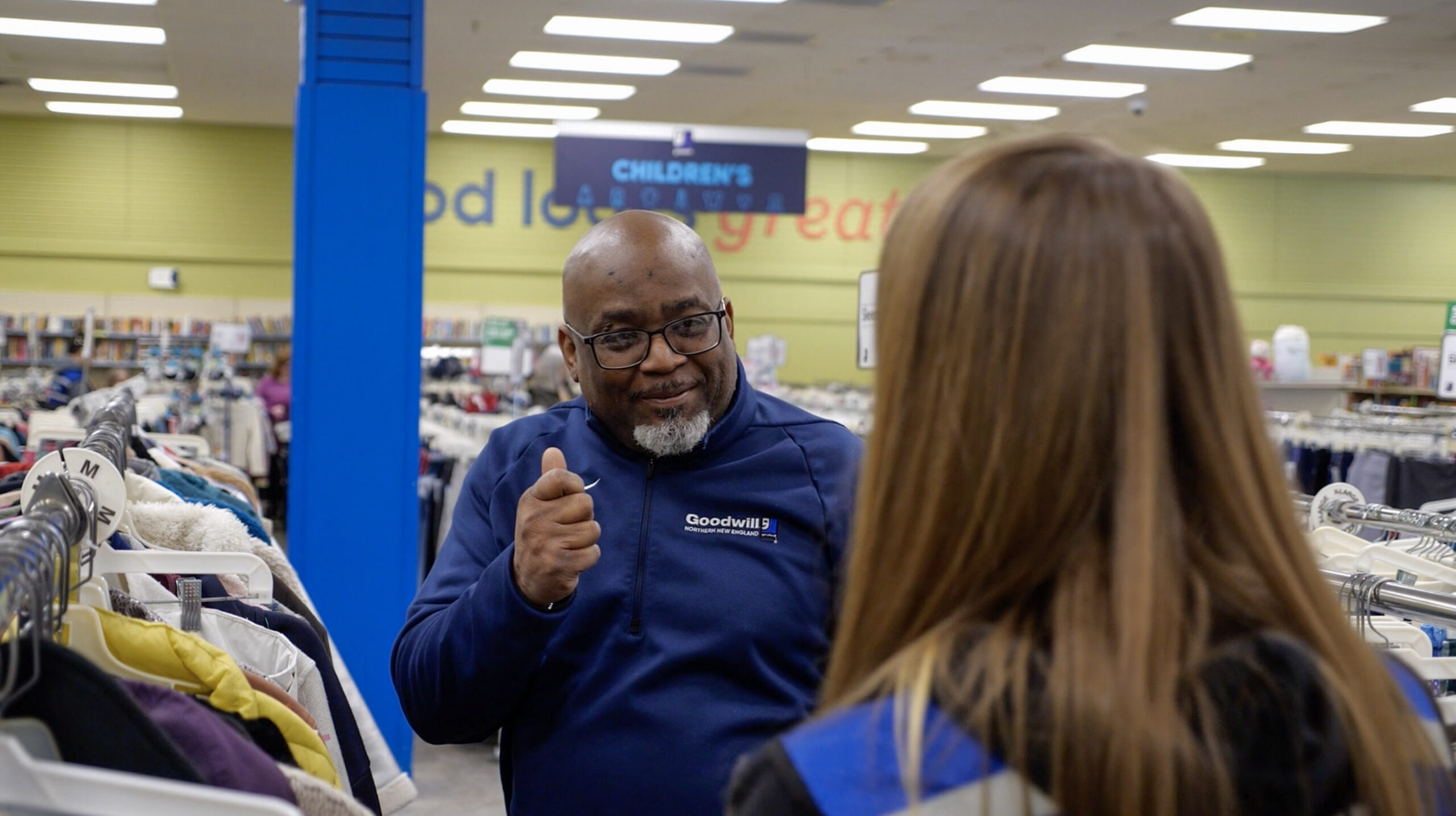
Finding Purpose at Goodwill Sam Jackson knows what it means to face obstacles head‑on, and make the most of a second chance. Today, Sam is the store manager at the Goodwill in Bangor, leading a team and contributing to a mission that feels deeply personal. His journey to this point was not easy, but it is proof that with opportunity,…
News
Goodwill Northern New England Earns Three-Year CARF Accreditation
March 17, 2026
Goodwill Northern New England has reached an important milestone in our mission to help people achieve their work and life goals, reflecting our commitment to delivering high‑quality, effective programs grounded in continuous improvement and accountability. Recently, CARF International awarded Goodwill Northern New England a Three-Year Accreditation for its Community Employment Services: Job Development and Employment Support programs. What CARF Accreditation Means CARF International…
News
Goodwill Partners with Maine GearShare for Earth Month Event
March 17, 2026
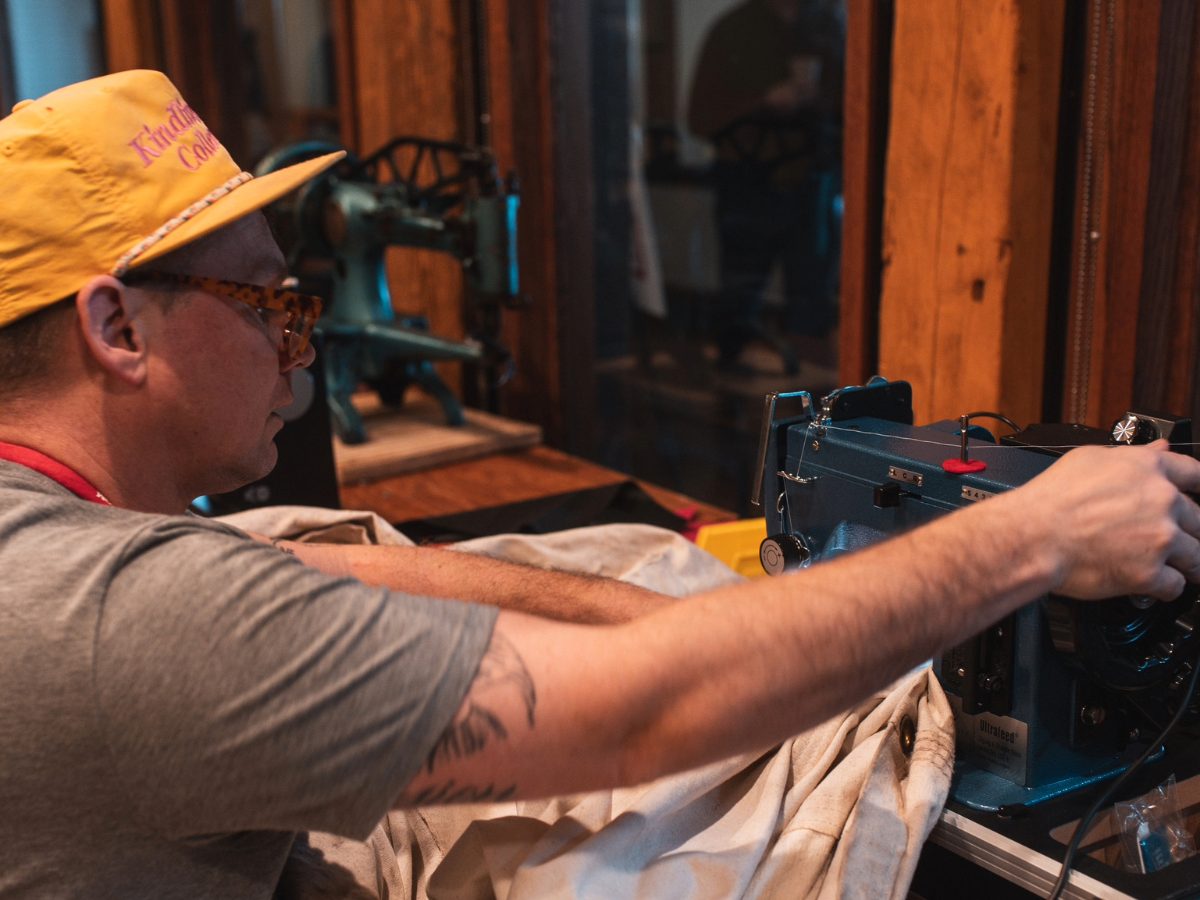
Repair Fair: 11 a.m. – 3 p.m. Saturday, April 18 South Portland, Maine Goodwill store at 555 Maine Malll Road Maine GearShare and Goodwill NNE are partnering to bring you another Apparel Repair Fair during Earth Month – this time at the South Portland, Maine Goodwill store! Previously hosted at the Portsmouth, New Hampshire store, community members are able to repair everything from wallets…
News
Take a Free Tour of Our Warehouse
February 18, 2026
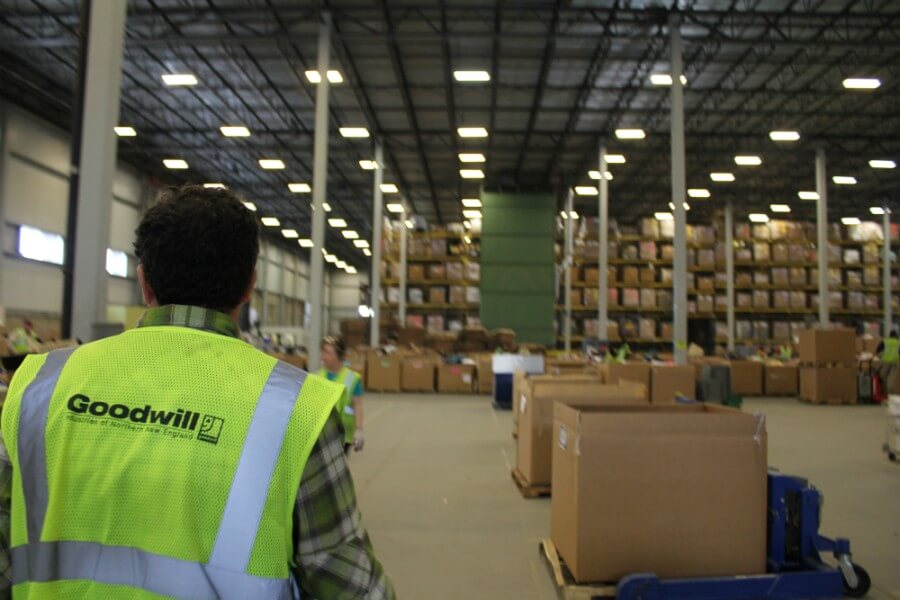
Goodwill is much more than a store, and we want to share what we do with you. Sign up for a free warehouse tour of our Gorham, Maine, warehouse! You are invited to see “Behind the scenes” of Goodwill NNE. On this tour, you will meet us, ask questions, and see the lifecycle of donations in action. Along the way, you…
News
Goodwill NNE Welcomes New Board Chair
January 23, 2026
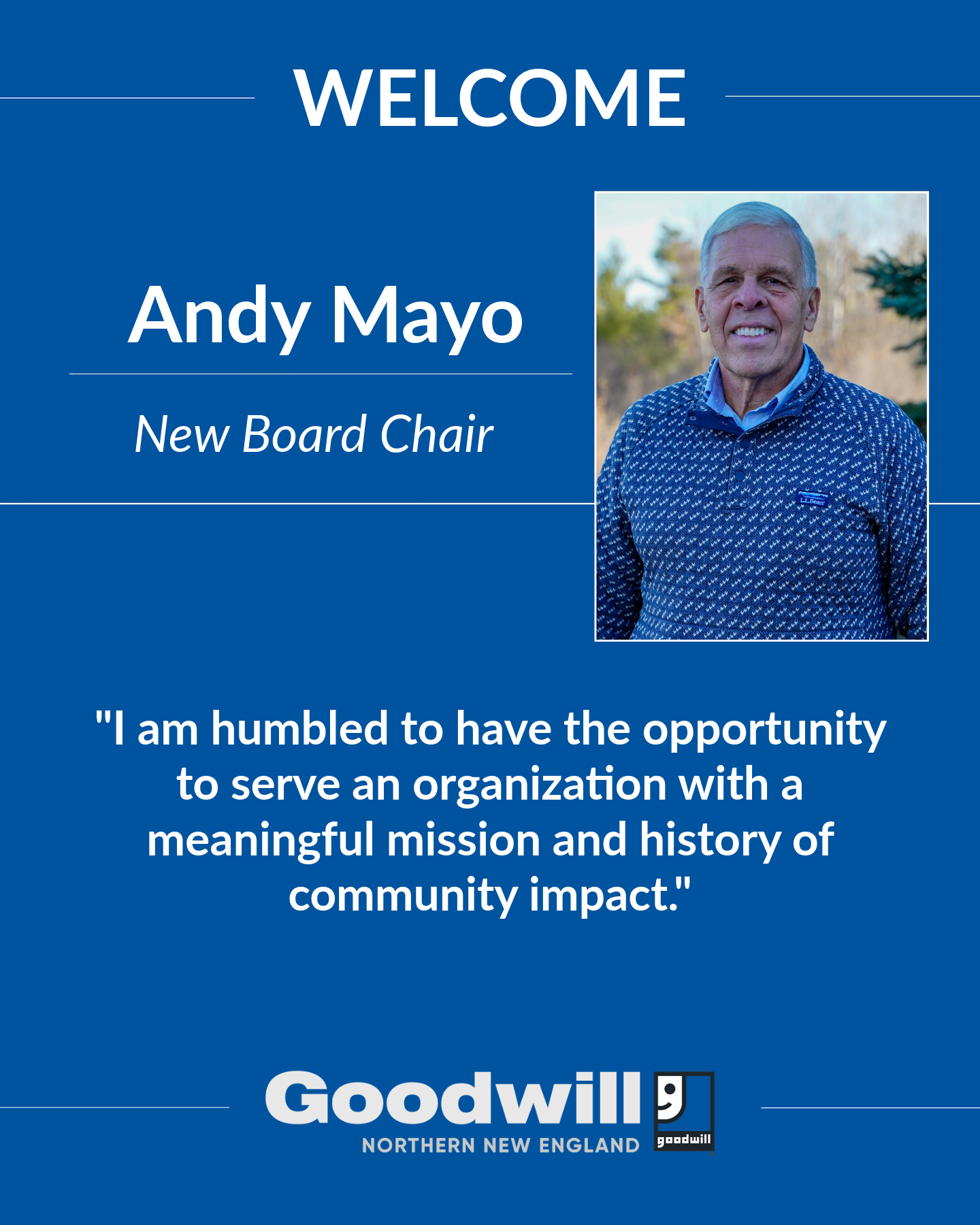
Goodwill Northern New England is a local nonprofit organization with a volunteer board of directors representing Maine, New Hampshire, and Vermont. Local staff lead the organization and remain deeply invested in strengthening Northern New England communities by investing in people through employment and opportunity. We are excited to congratulate Andy Mayo as he steps into the role of Board Chair…
Success Stories
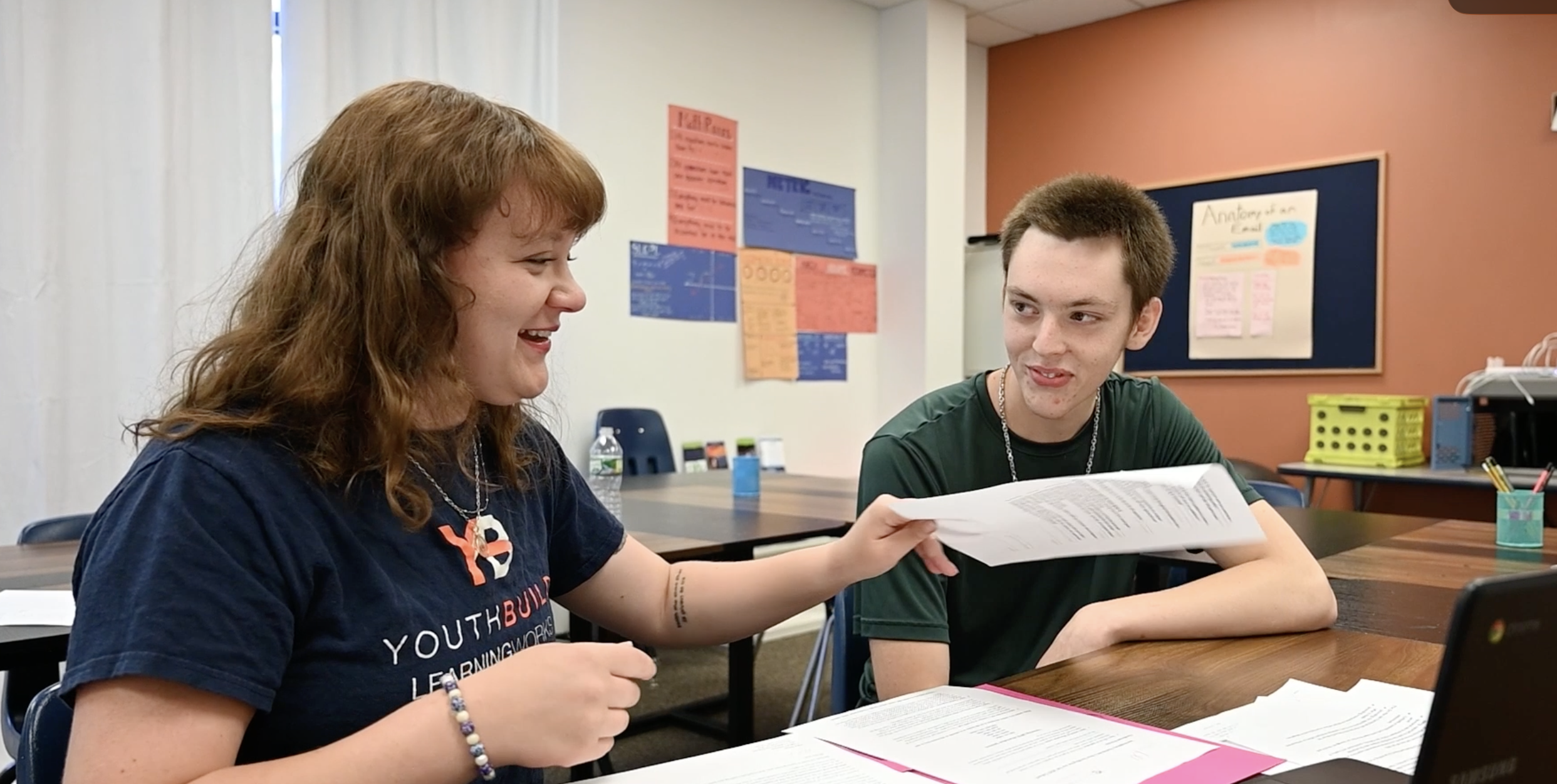
From HiSET to Career Success: Benjamin Leavitt’s YouthBuild Journey
December 18, 2025
When Benjamin Leavitt joined LearningWorks YouthBuild, he was looking for a fresh start. Like many young people ages 16-24, finishing school and finding a career felt daunting. YouthBuild gave him the tools, and the confidence, to make it happen. Through the program, Benjamin earned his HiSET (High School Equivalency Test) and gained hands-on experience in construction and culinary arts. He…
Success Stories
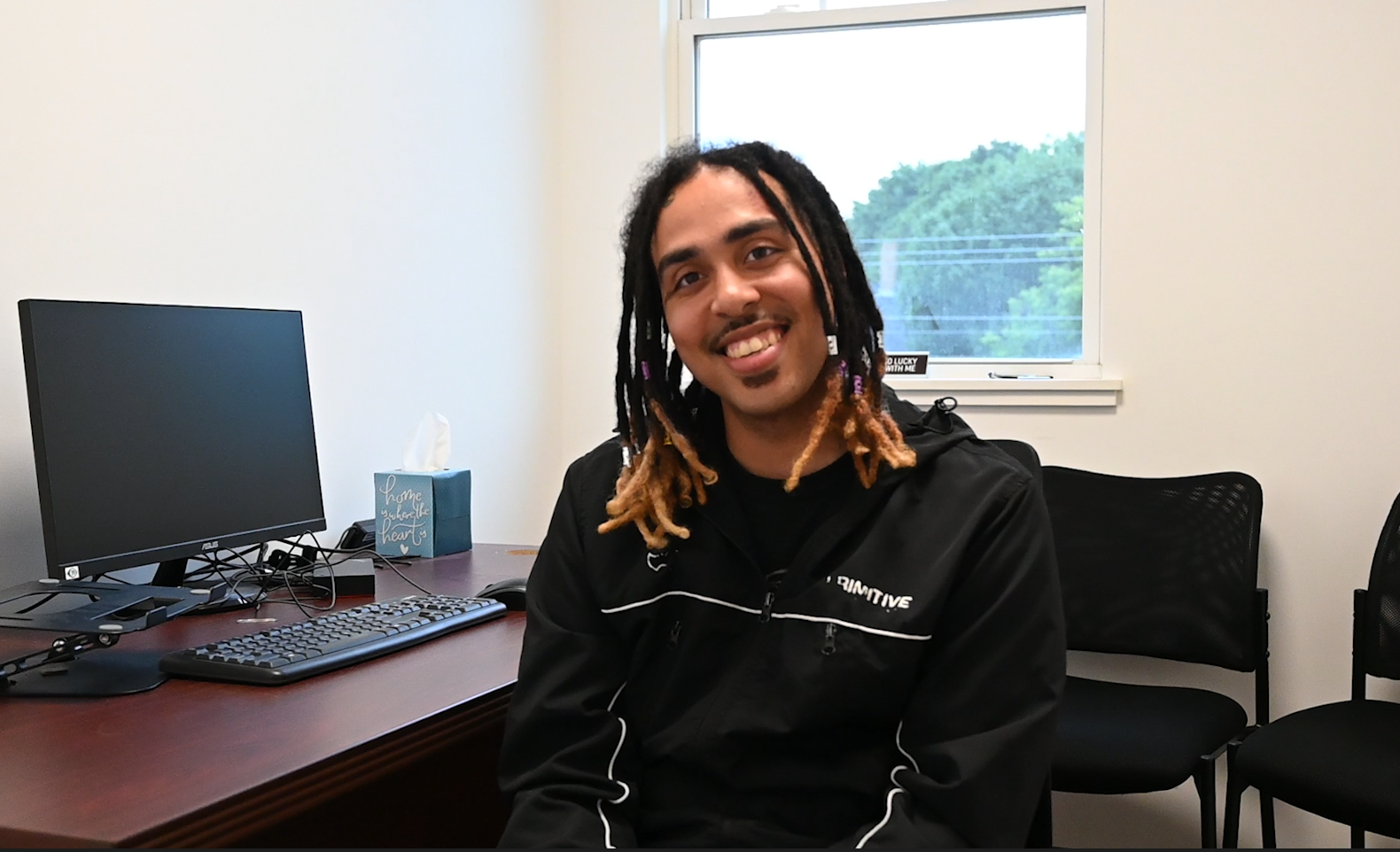
Empowered Through Opportunity: Jonathan’s Workforce Journey
November 21, 2025
Jonathan is working toward a career as an electrician, a goal that has been his top priority since he discovered the field. His passion for electricity and determination to succeed make him stand out. “I love electricity,” Jonathan said. “It’s something I’ve always loved, but I never thought I could put it into use helping people.” He connected with Goodwill…
News
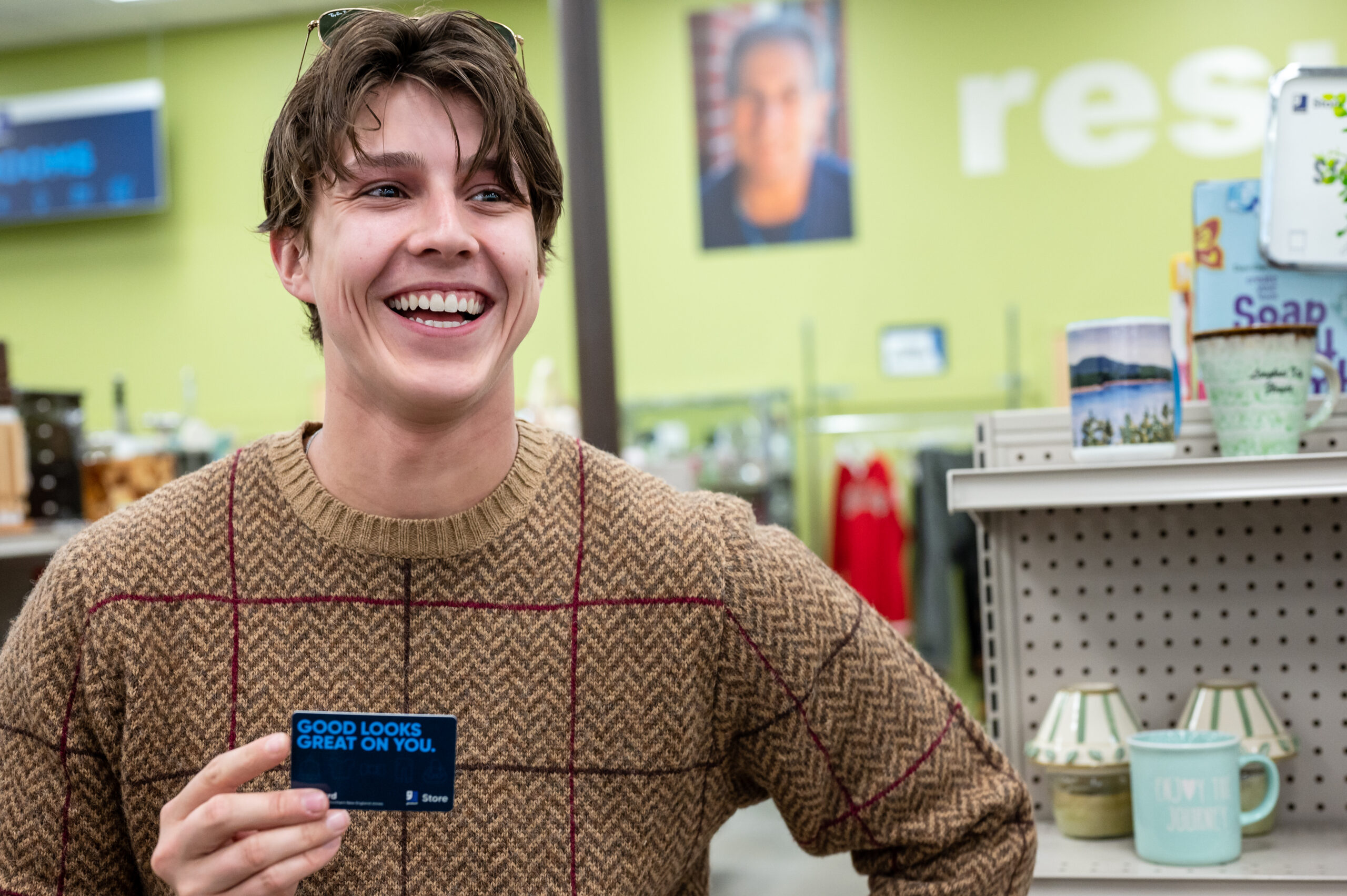
Goodwill NNE Hosts ’12 Days of Thriftmas’ Gift Card Giveaway To Help Shoppers Celebrate The Holidays Affordably And Sustainably
November 20, 2025
Looking for ways to make your holiday season affordable and eco-friendly? Goodwill Northern New England is here to help with a 12 Days of Thriftmas gift card giveaway! From December 13-24, we’re giving away Goodwill NNE gift cards to 12 lucky people who follow us on social media or sign up for our email newsletters. Already following us or subscribed…

Success Stories
Myles’ Path to Confidence and Community with Goodwill Northern New England
November 6, 2025
Myles greets customers with a smile at the Rockland Hannaford, where he works as a bagger. His positive attitude, strong work ethic, and welcoming presence make him a familiar and appreciated part of the store. “I do a good job,” Myles said with a smile. “I enjoy doing the bagging.” He connected with Goodwill Northern New England in 2022 through…
News
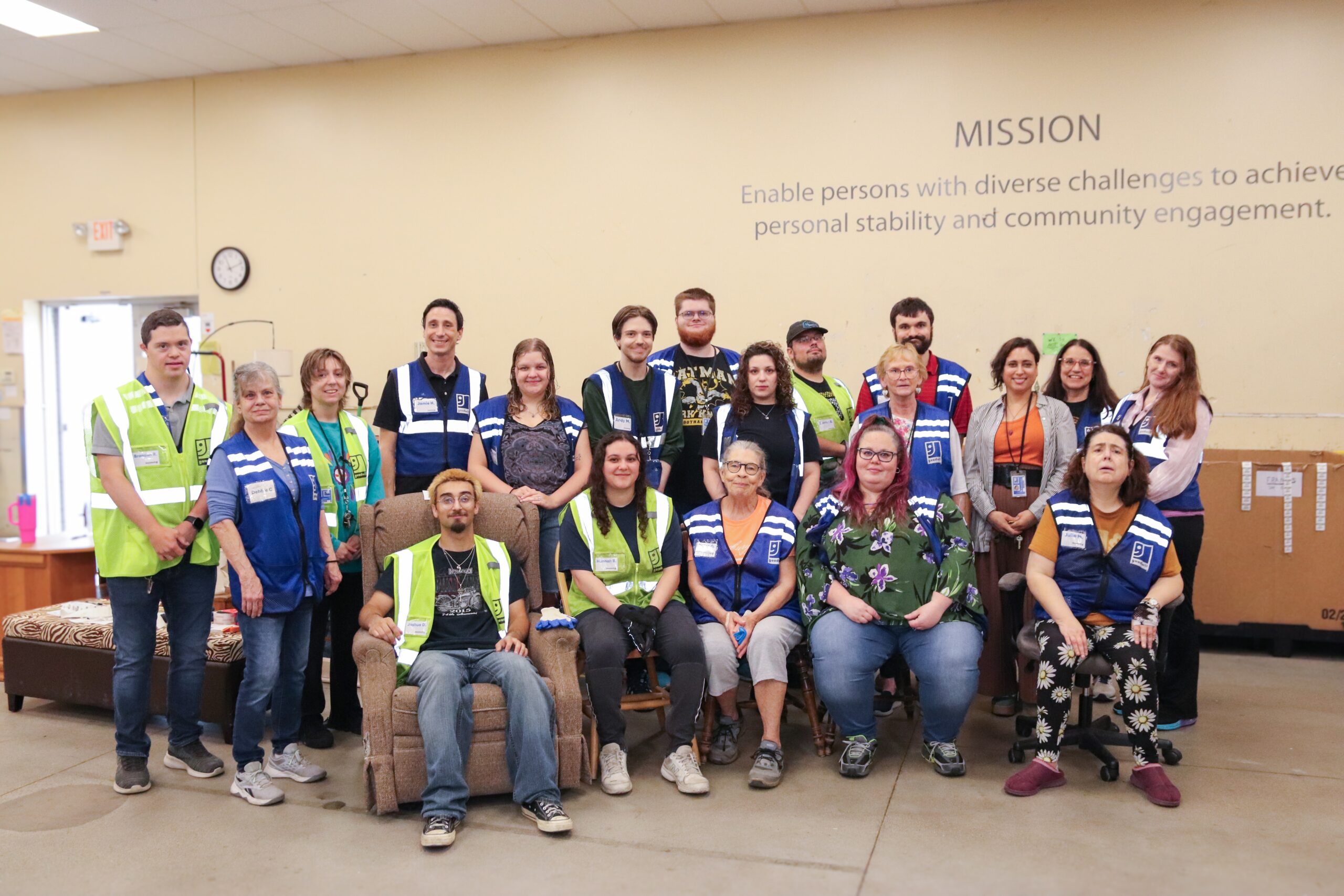
Seabrook Goodwill Honored with Employment Leadership Award for Inclusive Hiring
October 21, 2025
We’re proud to share that our Seabrook, New Hampshire Goodwill location has been named one of the 2025 Employment Leadership Award (ELA) recipients by the New Hampshire Department of Education’s Bureau of Vocational Rehabilitation (VRNH). This recognition celebrates employers who go above and beyond to create workplaces where people of all abilities are welcomed, supported, and empowered to thrive. At…
News
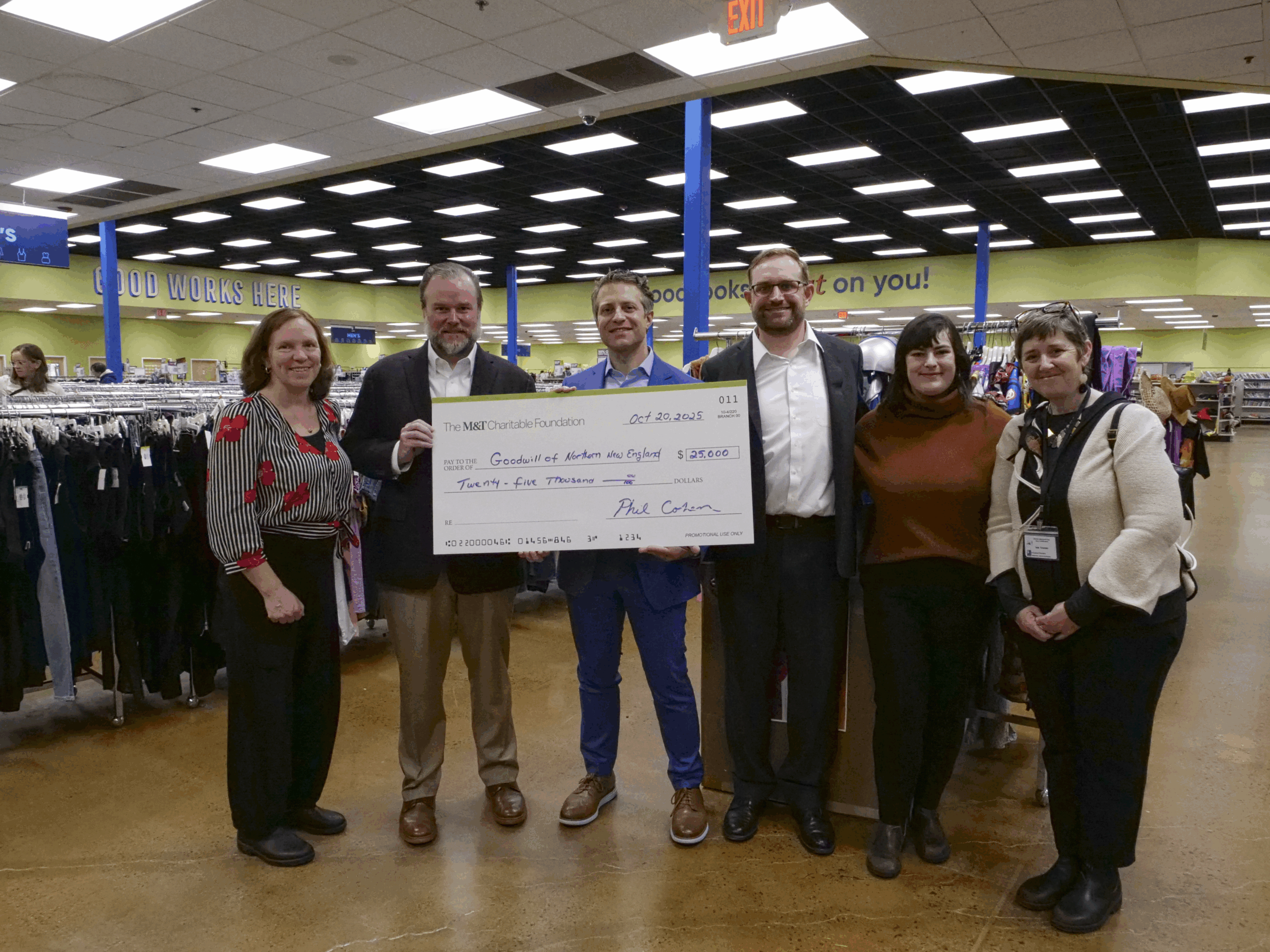
M&T Bank Donates $25,000 and Launches Halloween Costume Drive to Support Goodwill NNE
October 20, 2025
M&T Bank strengthens its partnership with Goodwill Northern New England by donating $25,000 to the SNAP Employment and Training program. This program helps people overcome barriers to employment through job training, career counseling, and personalized support. To further support Goodwill’s mission, M&T Bank launches a Halloween costume drive that promotes sustainability and community giving. Bank branches across Maine and southern…
News
Celebrating Inclusive Workplaces This October
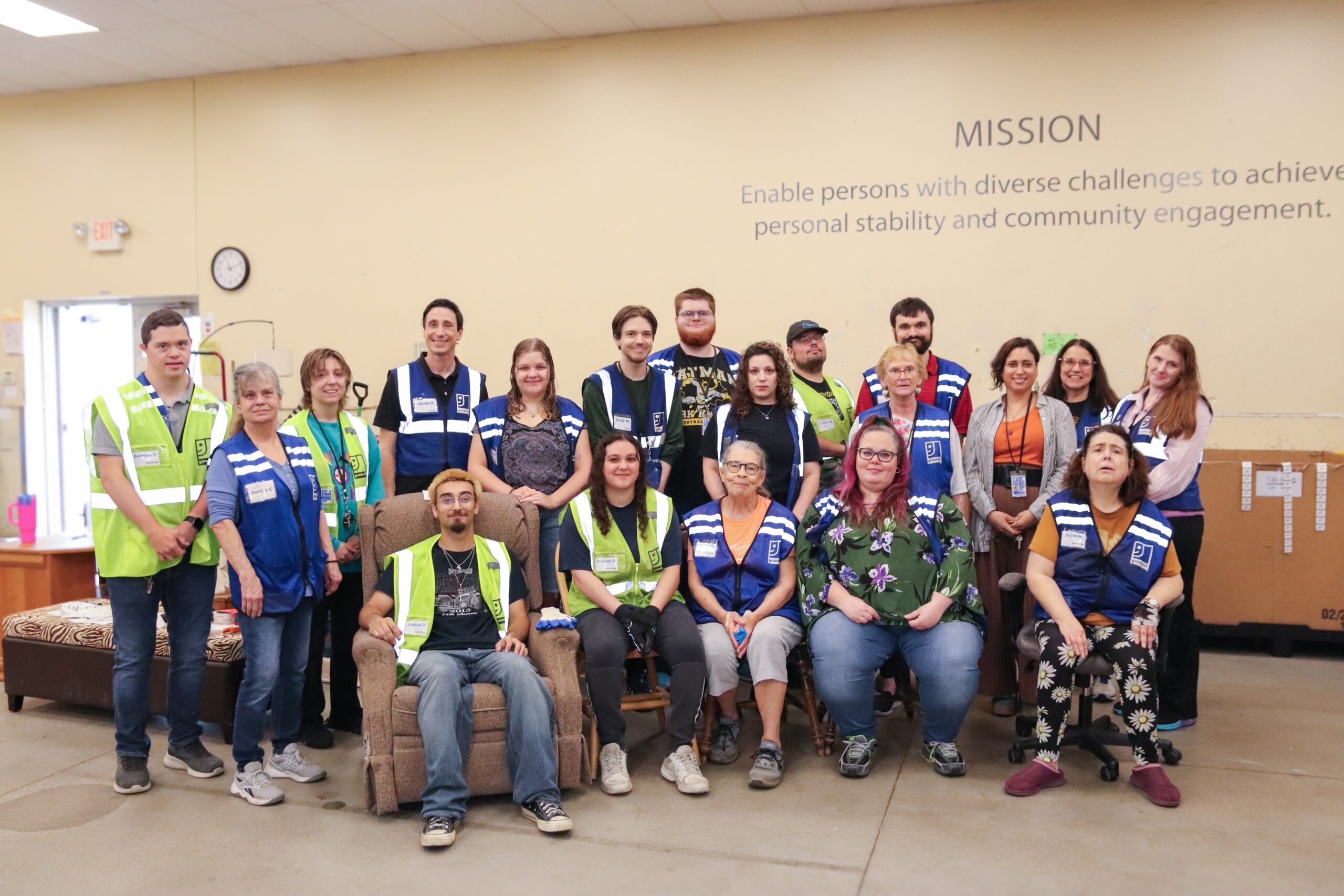
October 15, 2025
Each October, Goodwill Northern New England joins a nationwide effort to celebrate the contributions of workers with disabilities and promote inclusive employment. This year’s theme is “Celebrating Value and Talent,” and we’re proud to be part of it. The campaign began in 1945 as a weeklong recognition of people with physical disabilities. Today, it includes all people with disabilities, including…